
A photo shows the plate, not the recipe
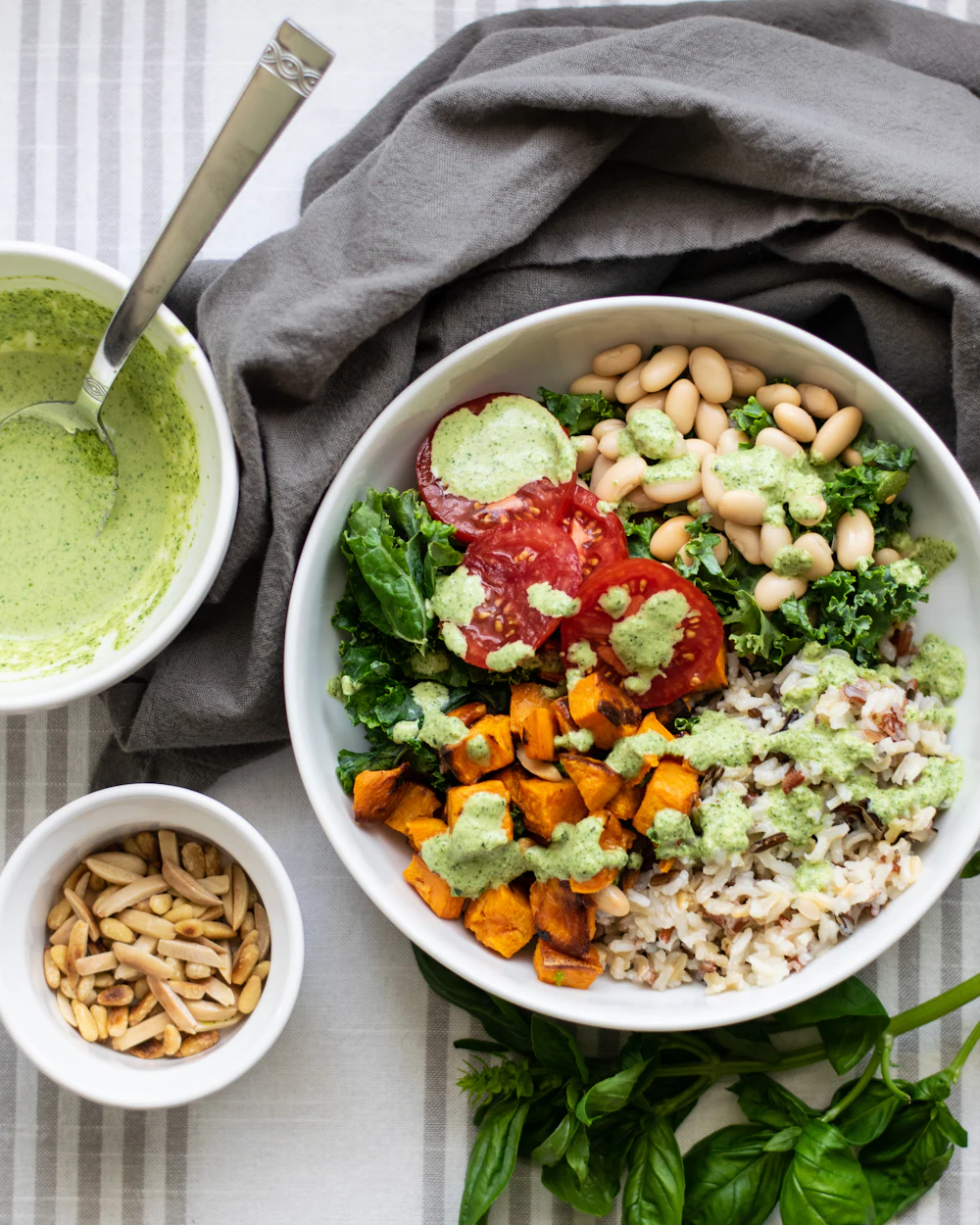
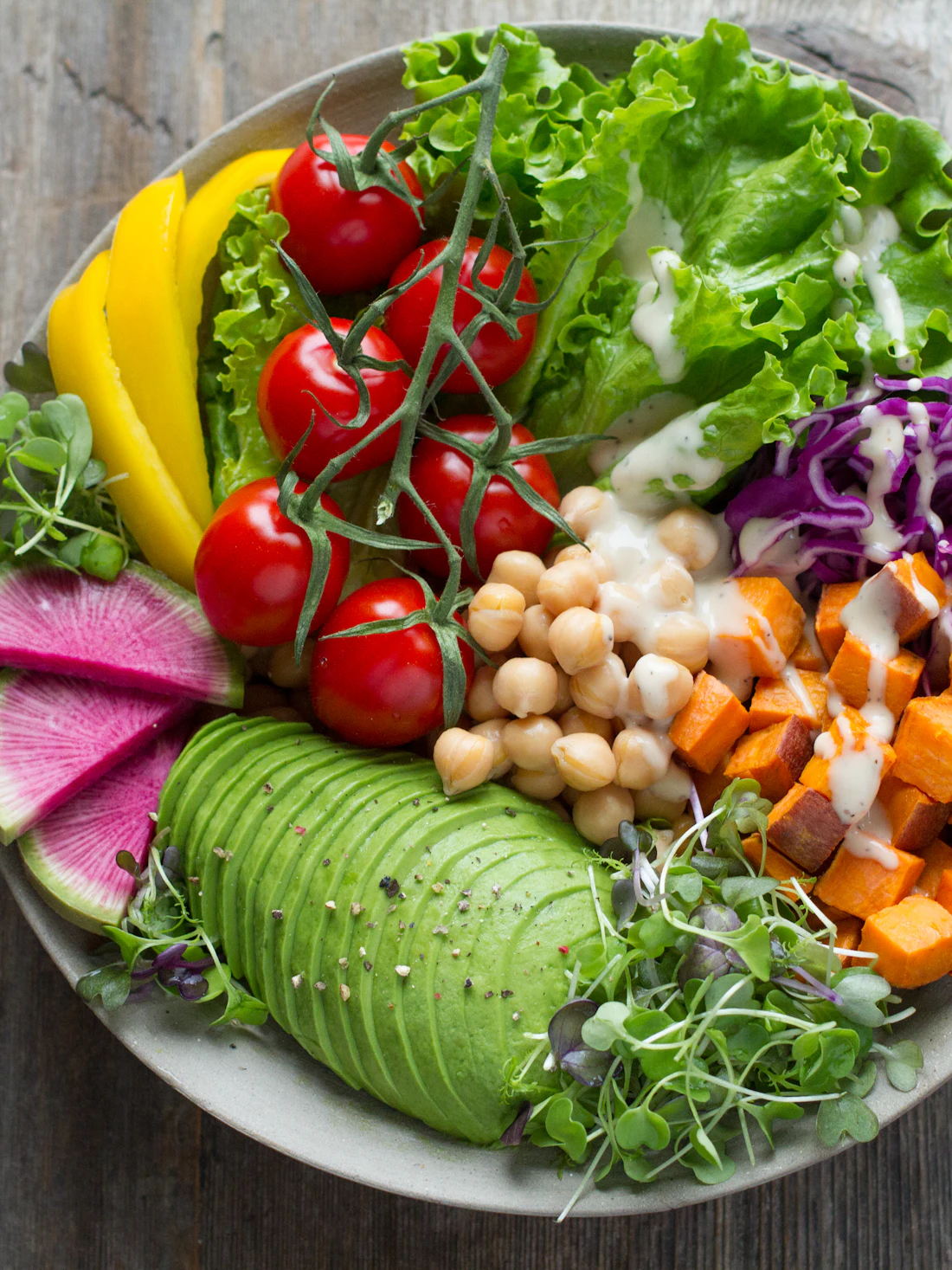
A picture can tell a bowl of rice from a bowl of pasta and give a fair idea of the portion. It cannot see the oil the vegetables were cooked in, the butter in the sauce or the sugar in the dressing. Those hidden ingredients can change a meal’s calories a lot.
Estimates are a starting point
Any tool that estimates from a photo, and any person estimating by eye, will sometimes be off. That is why Fudii shows you what it found and lets you adjust it before you save. The estimate saves you the typing. Your correction makes it closer to what you really ate.
Five ways to get a better number
- Fix the portion. Portion size is usually the biggest source of error, so change it if it looks wrong.
- Add what the photo cannot show. Cooking oil, butter, sauces and dressings.
- Log drinks and snacks. They are easy to forget and they add up.
- Calibrate occasionally. Weigh a few meals on a kitchen scale. After a week or two you will have a feel for what 150 g of rice looks like.
- Be consistent. The same plate and the same angle make your own estimates easier to compare.
Trends matter more than single meals
One meal being 10 percent off does not change much. A habit of logging most meals, over weeks, tells you far more about how you eat than any single entry.
General information, not medical or dietary advice. If you have a health condition or specific nutrition needs, talk to a doctor or registered dietitian.